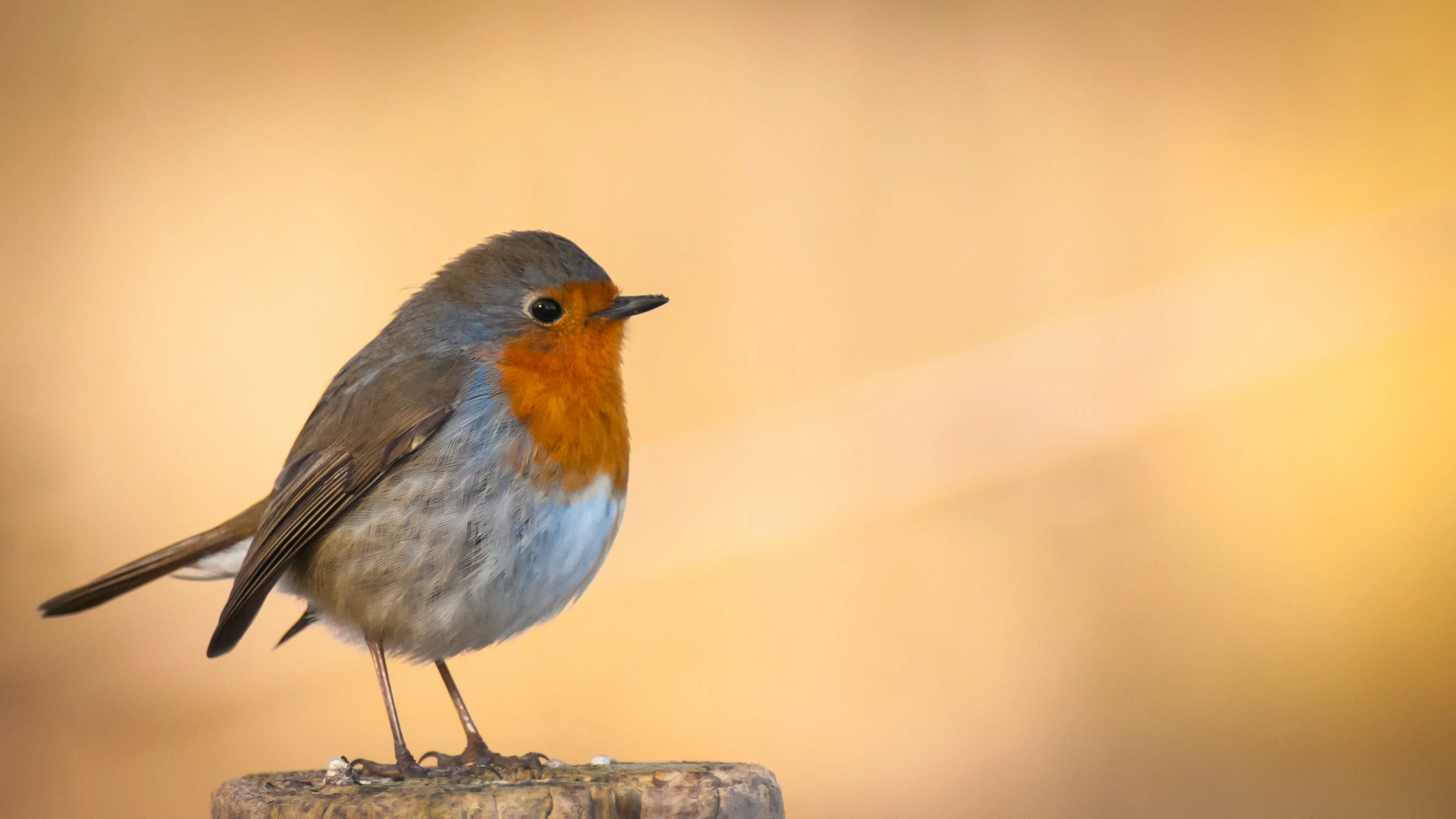
Hey everyone! I was just catching up on some reading and noticed that the RSPB have recently shared some really important new advice on how we can all help our garden birds. As many of you know, we’re all about “adventure and care” here at the Coddiwomple Club, and sometimes the best adventures start right in our own back gardens!The RSPB has updated its guidance to help tackle the spread of diseases like trichomonosis, which has sadly caused a big decline in some of our favourite birds, like Greenfinches. They’ve summed it up perfectly: “Feed seasonally. Feed safely.”“To reduce disease, we all need to make some urgent but simple changes to how we feed our garden birds.” — RSPB
1. Feed Seasonally: The New Calendar
This is the bit that surprised me! Depending on the time of year, we need to change what’s on the menu:
- 1 May to 31 October: It’s time to pause the seeds and peanuts. There’s plenty of natural food (like insects and seeds) out there right now. You can still offer small amounts of mealworms, fatballs, or suet.
- 1 November to 30 April: This is the “hungry gap” where you can go back to the full range of bird foods, including those seeds and peanuts.
While you’re out in the garden checking on your feathered friends, it’s the perfect time for a little family “womple.” If the kids are joining in, they’ll stay cozy in our Kids Wanderer Hoodie—perfect for those slightly chilly mornings of bird-spotting!
2. Feed Safely: Keeping it Clean
Busy feeders can unfortunately become hotspots for germs. Here’s how the RSPB suggests we keep our birds healthy:
- Weekly Deep Clean: Give your feeders and water baths a good scrub with hot soapy water once a week.
- The Weekly Move: Move your feeders to a different spot every week to prevent old food and droppings from building up in one place.
- Ditch the Flat Surfaces: This was a big one—the RSPB now advises against using bird tables or flat trays, as these are where disease spreads most easily. Stick to hanging feeders instead!
At the Coddiwomple Club, we’re big believers in making a positive impact on the world around us. Whether it’s supporting forest gardens in Uganda or just making sure our local Blue Tits are safe and sound, every little bit of care counts.
Let’s Get Wompling!
Helping nature doesn’t have to be a chore—it’s a great way to get the whole family outside and connected with the wild. Why not grab your Wanderer Tee, head outside, and see who’s visiting your garden today?
For the full, detailed guide and more tips on what to plant for birds, definitely check out the original article on the RSPB website. They’ve done some incredible research to keep our wildlife thriving, and we’re so grateful for their guidance!
Happy bird-watching, fellow adventurers!