project

Fuel-efficient cookstoves in Uganda
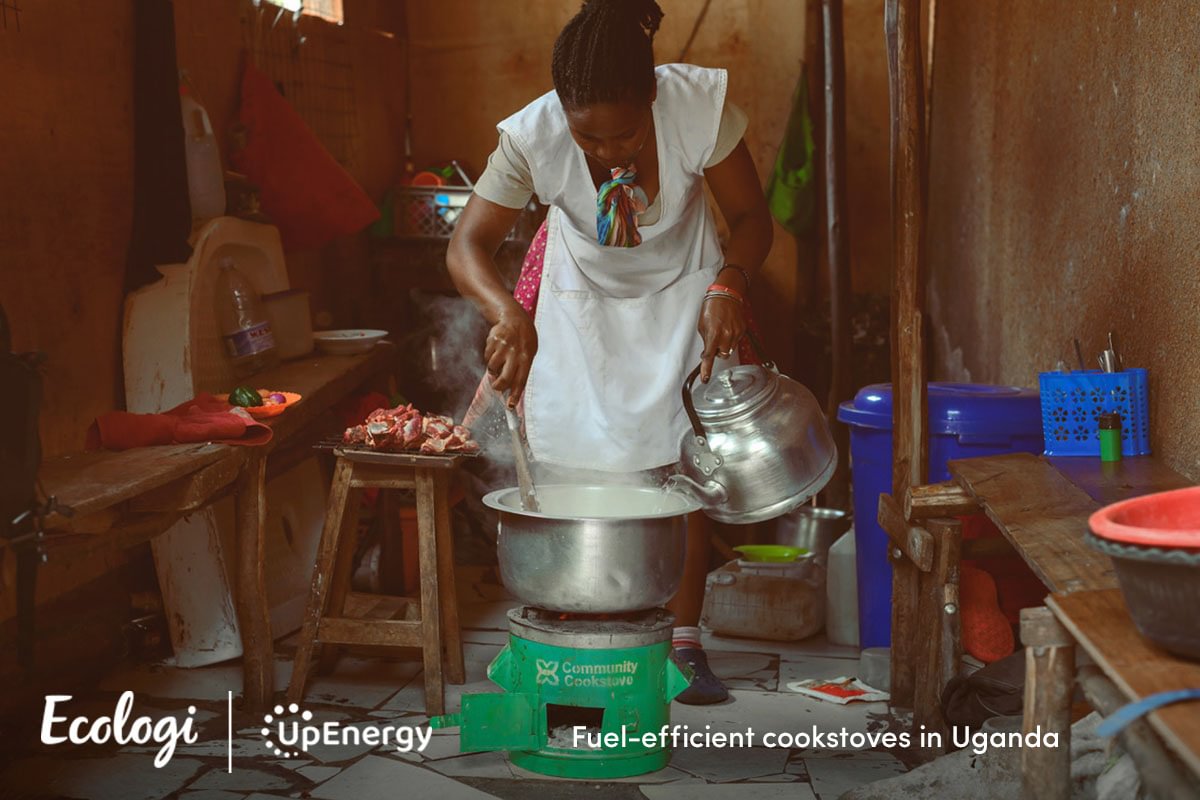
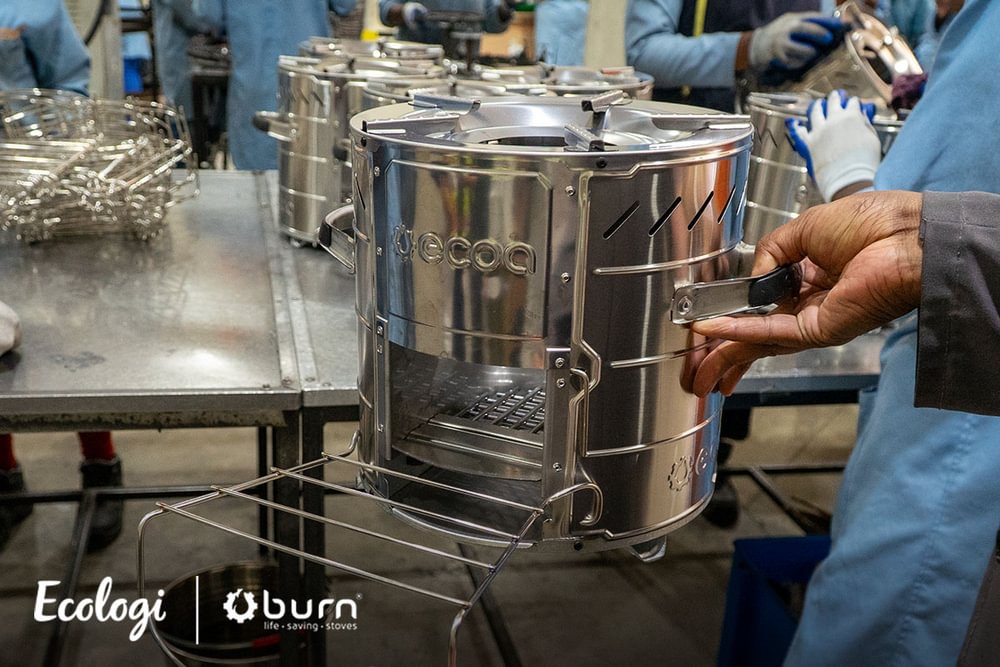
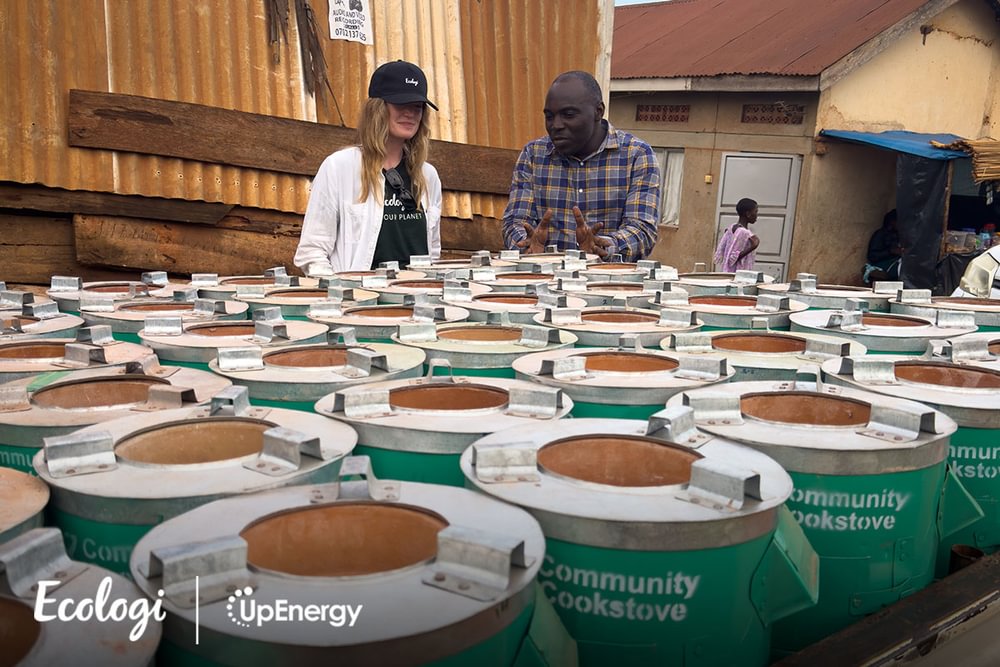
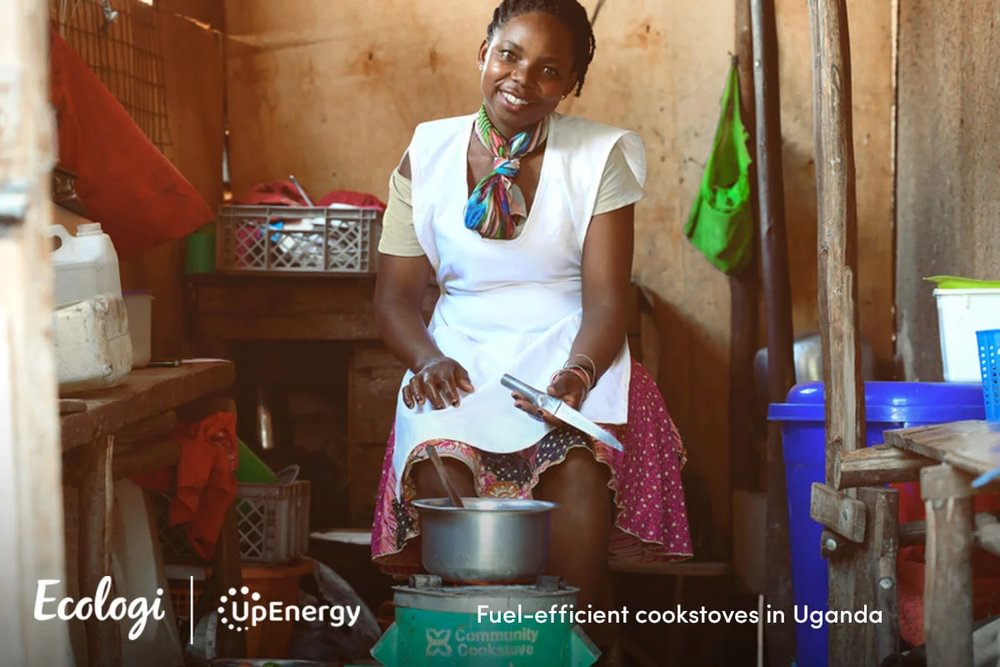
This project supports fuel‑efficient cookstoves for households across Uganda. Instead of cooking over open fires or basic charcoal stoves, families receive improved stoves that use less fuel and produce far less smoke.

Uganda’s rural communities often rely on wood and charcoal for daily cooking, which drives deforestation and fills homes with harmful air pollution. By cutting fuel use and smoke, these stoves reduce greenhouse gas emissions and ease pressure on local forests, while making everyday life safer and healthier.

For Coddiwomple families who care about the wild places they explore, this kind of climate action sits alongside our nature‑led stories in the Journal and our wider Sustainability & Impact work that every purchase in the shop quietly supports.

location

Location

Uganda

Region

Central and rural Uganda

The Local Landscape

A mix of rural villages, farmland and remaining forest patches where wood and charcoal are key cooking fuels.

The community impact

Many low-income households rely on open fires or basic stoves, with women and children most exposed to smoke and long fuel-collection trips.

we've offset

0.12 tonnes of CO2

supporting this project.
The change

Type your paragraph here

Type your paragraph here

the science

Many Ugandan homes still cook over open fires or basic charcoal stoves, which burn fuel inefficiently, drive deforestation and release high levels of greenhouse gases. Indoors, smoky fires create dangerous air pollution that harms families—especially women and children.

Understanding how cooking, forests and health connect helps us choose climate projects that make a real difference, alongside everyday low‑impact choices like caring for long‑lasting layers in our organic cotton care guide and exploring nature‑friendly ideas in the Journal.

how it works

This Uganda project distributes fuel‑efficient charcoal cookstoves that cut charcoal use by 45–55%, reducing deforestation, emissions and indoor smoke. The stoves are made locally and their carbon savings are independently verified. It sits alongside our forest gardens in Uganda and the everyday impact of our shop, giving families a clear, evidence‑based way to support climate action.